

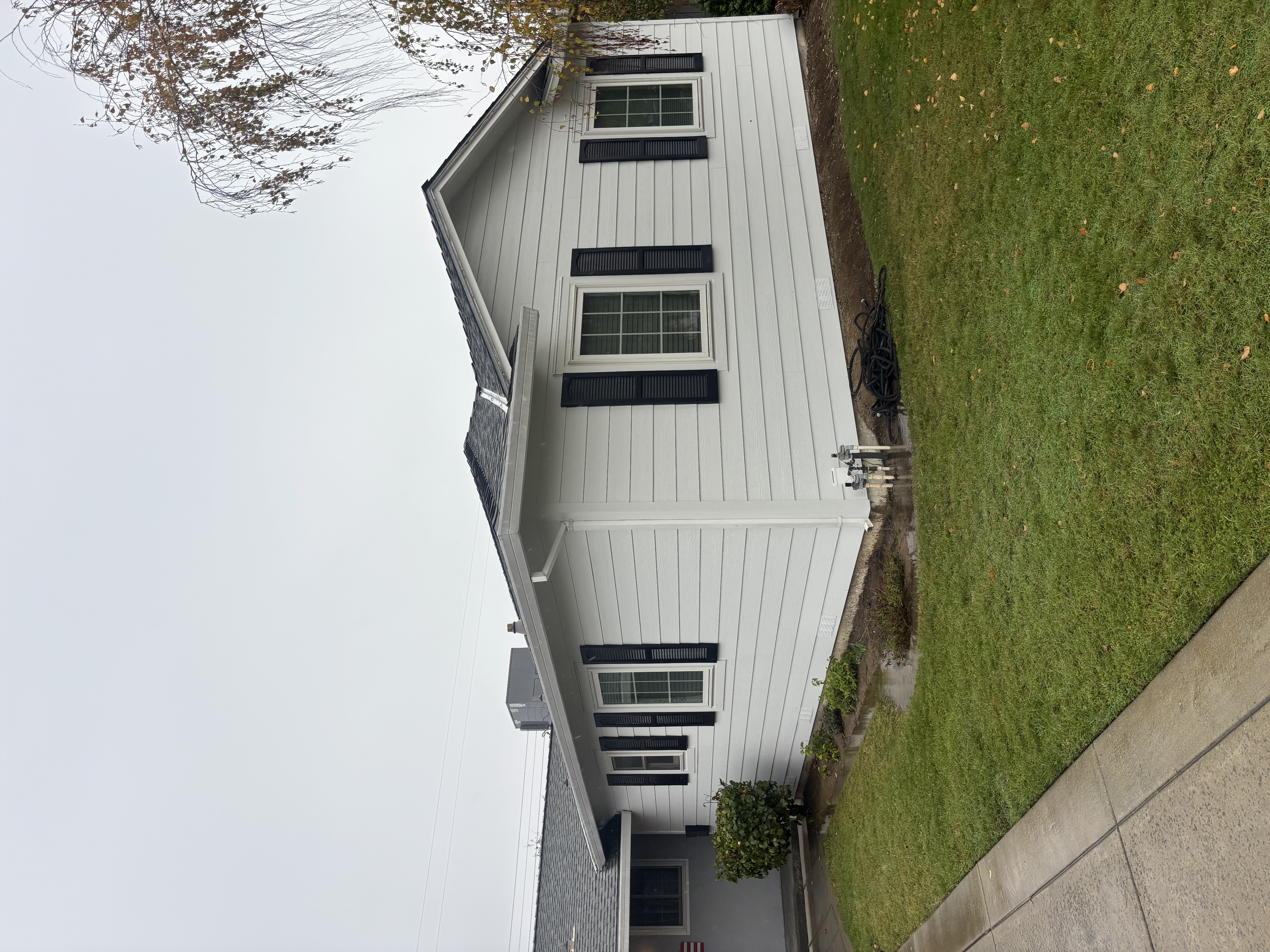
Wood Restoration — Dry Rot Repair
Dry Rot Repair, Fixed at the Source
Soft, crumbling wood is the symptom — a wood-destroying fungus is the cause, and it spreads fast. We find every affected area, cut out the damage, treat the surrounding wood, and rebuild with rot-resistant materials so it doesn't come back.
Free Dry Rot Inspection
The longer it sits, the further it spreads. Serving all four NorCal regions.
Overview
Dry rot is a silent destroyer. A wood-destroying fungus takes hold in moist, poorly ventilated areas — a slow roof leak, a gap in the siding, a damp crawlspace — and breaks the wood down from the inside out. By the time you see it on the surface, the damage underneath is almost always worse than it looks.
At Blyss Construction, we don't patch dry rot — we eliminate it. We find every affected area, cut the rotted wood back to solid lumber, treat the surrounding framing, fix the moisture source, and rebuild with rot-resistant materials. The result is a repair that lasts, not a fix that fails again next season.
What Dry Rot Really Is
Not Dryness — a Fungus That Eats Wood
The name is misleading. Dry rot isn't caused by dry conditions — it's caused by a fungus that thrives in moist, poorly ventilated wood. Once it takes hold, it spreads through the timber, breaking down the cellulose that gives wood its strength. The damaged wood dries out and crumbles, which is where the name comes from, but the cause was moisture all along.
Northern California gives dry rot plenty of fuel. Sacramento's valley humidity, the Bay Area's persistent marine layer, Sonoma's shaded wine-country hillsides, and Tahoe's snow-melt all create the damp, low-airflow conditions the fungus needs. The fix always starts with finding and stopping the moisture source.
Signs You Can't Ignore
Five Warning Signs to Look For
Soft, Crumbling Wood
Wood that gives under pressure or flakes apart when probed — the classic tell that the structure inside has been consumed.
Peeling Paint or Discoloration
Paint lifting, bubbling, or darkening in patches as the wood underneath loses its shape and the finish lets go.
Fungal Growth
Orange, white, or gray patches on the surface — the visible body of the fungus that is doing the damage.
Musty, Damp Odor
A persistent damp smell in a crawlspace, near a wall, or under a deck — even when everything looks dry on the surface.
Sagging Floors, Decks, or Beams
Structural members bowing, bouncing, or dropping — the stage where the rot has already compromised load-bearing wood.
Our Process
A Proven 4-Step Repair
We don't just patch the visible damage. We eliminate the fungus at its source, fix the moisture that fed it, and rebuild so it doesn't return.
01
Find the Source
We inspect your home to locate every affected area — not just the visible damage. Dry rot spreads through wood that looks sound on the surface, so we probe the framing, sheathing, and joints around the obvious spot.
02
Remove the Damage
We cut out the rotted wood back to solid, sound lumber — with a margin — so no compromised fiber is left to reignite the spread. This is the step that separates a real fix from a patch.
03
Treat & Protect
We treat the surrounding wood and address the moisture source — a leak, a gap, poor ventilation — then apply fungicide and waterproofing so the fungus cannot return.
04
Rebuild & Restore
Using rot-resistant materials matched to your home, we rebuild the framing, siding, or decking to full structural strength — and to the look it had before the damage.
Why Blyss
The Contractor Homeowners Trust
Licensed, Bonded & Insured
California-licensed contractor — CSLB #962380 — bonded and insured. We put it in writing.
20+ Years of Experience
We've repaired hundreds of homes across Northern California — tract homes, wine-country estates, Tahoe cabins, and Bay Area craftsman bungalows.
Honest Pricing
A clear, written estimate before we start. No hidden fees, no surprise add-ons, no work you didn't approve.
Fast & Reliable
We respect your time and your home. We show up when we say we will, communicate every step, and clean up like it's our own.
Local NorCal Experts
We know the moisture patterns that cause dry rot here — Sacramento's valley humidity, the Bay's marine layer, Tahoe's snow-melt — and we build to resist them.
What It Costs
Every Job Is Priced to the Damage
Dry rot repair cost depends on how far the fungus has spread and how much framing, siding, or decking needs to be rebuilt. A small isolated patch is an affordable fix; a rotted deck frame or multiple wall sections cost more. We give you a free, on-site inspection and a clear written estimate before any work begins — no pressure, no hidden fees.
Where We Serve
Local Dry Rot Experts Across NorCal
FAQ
Dry Rot Repair — Common Questions
Dry rot is a wood-destroying fungus — not dryness itself. It thrives in moist, poorly ventilated areas and feeds on the cellulose in wood, breaking it down from the inside out. The damaged wood looks dry and crumbly (which is where the name comes from), but the cause is moisture. Once it takes hold, it spreads through connected wood and can travel across non-wood materials to reach more timber — which is why a small visible patch often hides much more damage behind the wall.
Most residential dry rot repairs take one to three days, depending on how far the fungus has spread and how much framing, siding, or decking needs to be replaced. Larger projects — a rotted deck frame, multiple wall sections, or structural beams — can take longer. We give you a clear timeline before we start and communicate every step.
No. Painting over dry rot will not stop the spread — the fungus continues consuming the wood underneath the paint, and the paint itself will lift and fail as the wood keeps deteriorating. The only real fix is to cut out the rotted wood back to solid lumber, treat the surrounding area, address the moisture source, and rebuild with rot-resistant material.
Not by itself. If you swap the damaged board but leave the moisture source — a slow leak, a gap in the flashing, poor crawlspace ventilation — the rot will come back in the new wood. That's why our process removes the damage, treats the area, fixes the moisture source, and rebuilds with rot-resistant materials. Anything less is a patch, not a repair.
Three things: keep wood dry, keep it ventilated, and catch problems early. Fix leaks the moment you see them. Make sure crawlspaces, attics, and the gap under your deck have real airflow. Keep siding sealed and painted, and keep gutters and flashing clear so water sheds away from the framing. If you live near the coast or in a shaded, damp spot, an annual walk-around inspection is worth the ten minutes.
It depends entirely on the extent of the damage. A small, isolated patch of rotted siding is an affordable fix; a rotted deck frame or multiple wall sections cost more because the structural rebuild is larger. We give you a free, on-site inspection and a clear written estimate before any work begins — no pressure, no hidden fees.
Yes. When dry rot traces back to a covered peril — a storm-damaged roof, a burst pipe, a failed flashing — we document the full scope, build the loss report your adjuster expects, and negotiate directly with your insurance company so the settlement covers the complete repair, not just the minimum. We are your advocate through the entire claim.
Explore More
Related Services
Siding
Fiber cement, engineered wood, and cedar — installed to keep moisture out and rot from starting.
Learn MoreDecking
Composite and wood decks rebuilt with rot-resistant materials after framing damage.
Learn MoreStorm Damage Restoration
When dry rot traces to a storm or leak, we handle the repair and the insurance claim.
Learn MoreSpotted the signs? Let's inspect it for free.
Free, no-pressure dry rot inspections across Sacramento, the SF Bay Area, Sonoma County, and Lake Tahoe. The longer it sits, the further it spreads.
