
Siding isn't something most homeowners think about… until it's time to replace it. Then suddenly, it becomes a major decision. If you live in the Bay Area, you're dealing with a mix of salty air (hello, San Francisco), dry inland heat, wildfire risks, and the occasional coastal storm. So choosing the right siding isn't just about looks, it's about protection, value, and long-term peace of mind.
Two of the most common choices? James Hardie Siding and traditional wood siding. Both have loyal fans. Both have serious pros and cons. But which is right for your Bay Area home?
What Is James Hardie Siding?
James Hardie Siding is a fiber cement product made from a mix of sand, cellulose fiber, and cement. It's known for mimicking the look of wood while being resistant to fire, rot, and pests. It's been around for decades and is especially popular in areas with extreme weather, like ours.
Bay Area contractors love James Hardie Siding because:
- It holds paint longer than wood
- It's highly fire-resistant
- It doesn't warp, crack, or attract termites
- It can mimic various wood textures and styles
But is it better than the real thing?
The Appeal of Traditional Wood Siding
There's no denying it, real wood has a certain charm. Whether it's cedar shingles or classic lap siding, traditional wood siding brings warmth, depth, and authenticity to a home. Especially in older Bay Area neighborhoods like Berkeley, Palo Alto, or Mill Valley, you'll find original wood siding that's stood the test of time.
Here's the thing, though: wood needs love.
Pros of Traditional Wood Siding
- Timeless, authentic appearance
- Easier to customize and repair
- Eco-friendly when sourced sustainably
Cons of Wood in the Bay Area
- Prone to dry rot and termites (especially in coastal areas)
- High maintenance: needs repainting or staining every 3–7 years
- Vulnerable to fire (big risk in areas like Santa Rosa and the East Bay hills)
Climate Matters: Bay Area Conditions
When choosing between James Hardie Siding and wood, don't ignore our unique climate zones. A home in foggy Daly City faces different siding challenges than a home in sunny Walnut Creek.
Fire Risk
Let's not sugarcoat it, fire is a real concern in many Bay Area regions. Areas like Napa, Sonoma, and parts of Marin have been hit hard by wildfires in recent years. James Hardie Siding is non-combustible. It won't ignite when exposed to direct flame or extreme heat. That's a huge benefit compared to wood, which can act as fuel.
Moisture and Coastal Air
In places like Pacifica or Half Moon Bay, the constant moisture and salt air wreak havoc on traditional wood. Over time, it leads to swelling, warping, or mold growth. James Hardie Siding? It's engineered to resist moisture damage and won't swell or rot, even in salty air.
Cost Comparison: Upfront vs. Long-Term
Now let's talk numbers. People often assume wood is cheaper. But it's more nuanced than that.
| Siding Type | Avg. Material Cost/sq.ft. | Maintenance Cost (10 yrs) | Lifespan |
|---|---|---|---|
| James Hardie Siding | $10–$14 | Low ($1,000–$2,500) | 30–50 years |
| Traditional Wood | $7–$12 | High ($3,000–$10,000+) | 20–40 years |
James Hardie Siding tends to cost more upfront, both in materials and installation. But because it's lower maintenance and lasts longer, it often saves you money over time.
Aesthetics: Does James Hardie Really Look Like Wood?
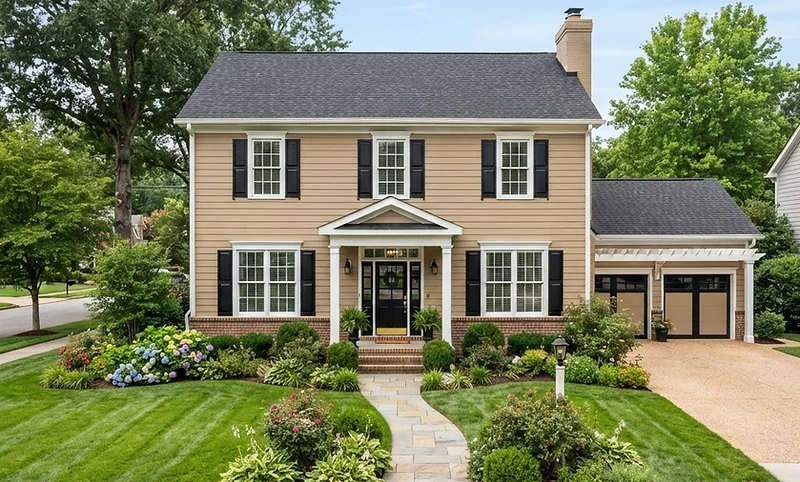
Let's clear something up. Not all fiber cement siding looks the same. James Hardie Siding is at the top of its class when it comes to replicating the grain and texture of wood. From a few feet away, most people can't tell the difference.
You get options like:
- HardiePlank® Lap Siding – for that classic wood look
- HardieShingle® Siding – mimics cedar shake
- HardiePanel® Vertical Siding – great for modern designs
And the best part? It holds paint like a champ. Thanks to ColorPlus® Technology, the baked-on finish resists fading and chipping better than painted wood.
Of course, nothing beats the real thing if you're obsessed with natural variation. But for most homeowners, James Hardie gets close enough without the hassle.
Maintenance: How Much Work Do You Want?
Have Questions?
We Can Help You Decide With Confidence
Not sure which material fits your home, your budget, or your local climate? Schedule a free estimate and we'll answer every question — no pressure, no obligation.
Schedule a Free EstimateHere's where things get real.
James Hardie Siding Maintenance:
- Occasional rinsing with a hose
- Repainting every 15+ years
- Annual inspections (just to be safe)
Wood Siding Maintenance:
- Repainting or restaining every 3–7 years
- Regular caulking and sealing
- Watch for termite activity, dry rot, mold
If you're the type who loves home projects and doesn't mind the upkeep, wood might suit you. But if you're more into low-stress homeownership? James Hardie Siding wins here, easily.
Environmental Impact
Some homeowners care deeply about sustainability. That's a good thing.
- Wood siding (when harvested responsibly) is renewable and biodegradable.
- James Hardie Siding is made from natural materials but involves more processing and transportation, which adds to its carbon footprint.
That said, because it lasts longer and reduces the need for frequent repainting or replacing, James Hardie Siding can be a sustainable choice in the long run, especially if you're replacing wood siding every 20 years.
What Local Contractors Are Saying
We spoke with a few Bay Area contractors who've installed both James Hardie and wood siding across dozens of homes. Here's what they shared:
"James Hardie is my go-to for homes in high-fire zones like Santa Rosa. It just makes sense — safer, durable, and it still looks great."
"I'll always appreciate the beauty of real cedar siding, but it's not for everyone. James Hardie gives my clients that same visual appeal without the constant maintenance."
The Verdict: Which One Is Right for You?
Choose James Hardie Siding if you:
- Live in a fire-prone or coastal zone
- Want long-term durability and less maintenance
- Prefer a low-stress, modern material that still looks like wood
- Plan to stay in your home for 20+ years
Choose Traditional Wood if you:
- Are restoring a historic home and want authenticity
- Don't mind regular maintenance
- Prefer all-natural materials
- Live in a mild microclimate (like inner San Francisco or Oakland)
Final Thoughts
There's no one-size-fits-all answer. But for most Bay Area homeowners, especially in high-risk or high-moisture areas, James Hardie Siding offers better long-term value, protection, and peace of mind. It might not be "real" wood, but in many ways, it's better.
Thinking about upgrading your siding? Don't decide without a conversation. Get a free consultation from a licensed siding contractor who understands your neighborhood, your style, and your long-term goals.
